Outdoor Play Matters

Finnegan Flynn
| 09-05-2026
 · Lifestyle Team
In many places around the world, we are seeing a clear shift in how children spend their free time. After school or kindergarten, indoor spaces and digital screens often become the main focus of their daily routine.
Phones, cartoons, tablets, and short videos can easily fill hours without children even realizing it.
For many families, staying indoors feels easier and more convenient. However, when children rarely go outside, the impact reaches far beyond eyesight. Their physical condition, emotional balance, communication ability, and confidence may all slowly change over time.
In contrast, children who regularly play outdoors often appear more energetic, expressive, and cheerful. Fresh air, open spaces, and active movement provide experiences that indoor environments cannot fully replace.
The good news is that outdoor activities do not need to be complicated. A short walk, a simple game at the playground, or an hour of running around in the fresh air can already bring meaningful benefits.
Outdoor Activities Support Healthy Physical Growth
Many people believe that tall children automatically have strong bodies, but healthy growth involves much more than height alone. Daily movement and natural sunlight both play important roles in helping children develop well.
Running, climbing, jumping, and playing outdoors encourage children to use different parts of their bodies naturally. These activities help improve balance, coordination, flexibility, and overall strength.
Sunlight also helps the body produce vitamin D, which supports healthy growth and development. Indoor spaces often limit both natural movement and sunlight exposure, especially when children spend long hours sitting.
Outdoor play creates opportunities for children to move freely without feeling restricted. Whether they are chasing bubbles, kicking a ball, or simply exploring nature, these moments help support healthier daily habits.
Fresh Air Helps Children Adapt Better to the Environment
Some parents worry about wind, cooler weather, or dirt, so they prefer keeping children indoors as much as possible. However, children also need chances to experience different environments little by little.
Nature introduces changing temperatures, sounds, smells, and textures. Through these experiences, children gradually learn how to adjust comfortably to the world around them.
Playing outdoors also allows children to explore grass, trees, flowers, and open spaces. These experiences encourage curiosity and help children feel more connected to nature.
Of course, balance is important. Comfortable clothing, clean play areas, and proper rest all matter. But spending all day inside may reduce valuable opportunities for exploration and growth.
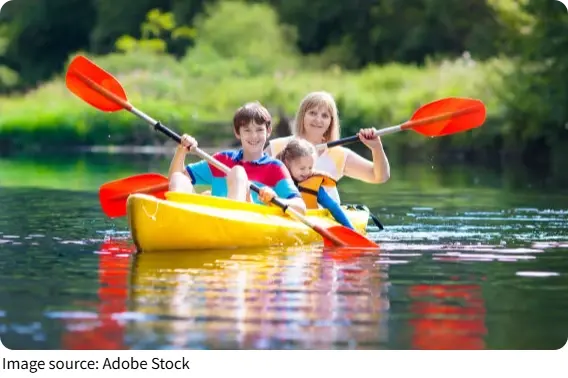
Outdoor Time Can Improve Emotional Well-Being
Children experience emotions just like adults do. Excitement, frustration, nervousness, and disappointment are all natural parts of growing up. Sometimes children become upset simply because they have spent too much time indoors without enough movement.
Outdoor environments often help children relax naturally. Sunshine, fresh air, green spaces, and open skies create a calming atmosphere that supports emotional balance.
Outdoor play also gives children opportunities to make small decisions on their own. They choose games, explore different activities, and learn through trial and error. These everyday experiences quietly build confidence and emotional strength.
Many parents notice that children sleep more peacefully and communicate more calmly after active outdoor time.
Outdoor Exploration Encourages Better Communication Skills
One surprising advantage of outdoor play is stronger communication ability. Children outdoors often speak more because they constantly encounter new things to describe and discuss.
They may ask questions about insects, talk about clouds, point at animals, or invite other children to join games. These natural conversations help expand vocabulary and improve expression skills.
Outdoor activities also encourage teamwork and cooperation. Children learn how to wait patiently, share ideas, and respond to different situations during play.
In comparison, spending long periods quietly watching videos may reduce opportunities for real interaction. Outdoor experiences create richer conversations and encourage children to communicate more confidently.
Outdoor Time Helps Protect Children’s Eyes
Today, many children spend long hours focusing on screens and nearby objects. This constant close focus can place pressure on young eyes.
Outdoor spaces allow children to look at wider distances and experience natural light. These conditions help the eyes relax differently compared to indoor environments.
Research has shown that regular outdoor activity may help support healthier visual habits in growing children. Even simple activities such as walking, cycling, or playing games outside can make a positive difference.
This does not mean children should avoid reading or learning indoors. Instead, a healthy balance between indoor study and outdoor movement is important for daily life.
Outdoor Play Helps Children Develop Social Confidence
Some children appear shy or quiet simply because they have limited chances to interact naturally with others. Outdoor spaces provide valuable opportunities for social growth.
Playgrounds, parks, and shared games become natural places where children practice communication and cooperation. They learn how to take turns, solve small disagreements, and work together during activities.
For example, waiting for a slide, joining a running game, or building something together all encourage social interaction in a relaxed way.
These everyday experiences help children gradually feel more comfortable expressing themselves around others.
Outdoor Moments Strengthen Family Relationships
Some of the best family memories are often created outdoors. Walking together, playing simple games, flying kites, or enjoying time in nature can help children feel emotionally close to their parents.
These moments do not require expensive plans or special events. What matters most is sharing time together in a relaxed environment.
Children may not remember every lesson or every toy, but they often remember moments filled with laughter, movement, and connection.
Outdoor activities also allow parents to better understand their child’s personality, interests, and emotions through natural interaction.
Small Outdoor Habits Can Create Lasting Benefits
The most important part of outdoor activity is not the location. Families do not need large parks or long trips every day. Even small moments outside can support healthy growth and joyful childhood memories.
A short evening walk, a game in the yard, or time spent watching the sky together can all become meaningful experiences.
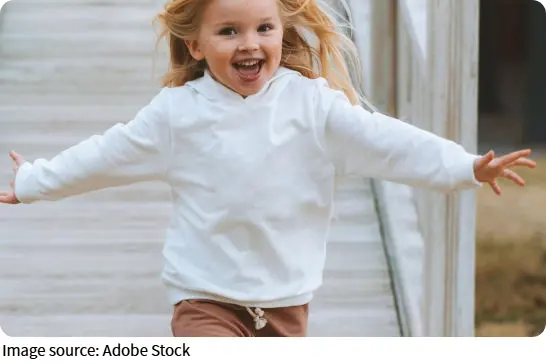
Childhood passes quickly. Encouraging outdoor play helps children build stronger bodies, calmer emotions, better communication skills, and happier memories. Often, the simplest outdoor moments become the most meaningful parts of growing up.
Why Outdoor Time Is So Important for Children
Video by St. Louis Children's Hospital